
A sports betting app used to have a fairly simple role. You opened it, checked the odds, placed a bet and came back later to see what happened. That still exists, of course, but matchday habits have changed. Fans now follow football, soccer, basketball and tennis through several screens at once. The match is on TV, the group chat is busy, social media is reacting, and the phone is never far away.
That is where mobile sports betting has started to feel different. It is no longer only about placing a bet before kickoff or tipoff. A good betting app now sits beside the match, almost like a compact match centre. It gives users live scores, updated markets, bet slips, team pages, player stats and quick access to the sports they follow most. This is why the betway app fits naturally into the wider discussion about how betting products are becoming part of the matchday routine, not just a tool used before the game starts.
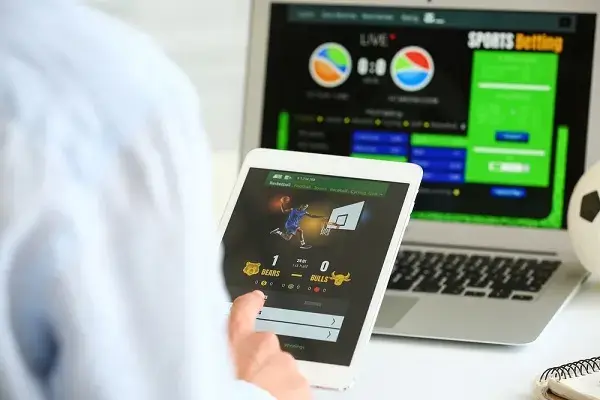
The Matchday Screen Has Changed
The biggest change is timing. Sports move quickly, and apps have had to become much better at keeping up. In football, a yellow card, a corner, a substitution or a late goal can change the feel of the match. In basketball, one scoring run can shift the whole quarter. Tennis can turn on a single break point.
Behind the screen, this depends on live data feeds. The app needs to receive event updates, refresh odds, pause markets when needed and reopen them when the situation is clear. That sounds technical, but the user should not have to think about it. The app just needs to feel current.
Good tech makes the betting app feel connected to the match without making the screen chaotic.
More Than Odds on a Page
A modern sports betting app does more than list markets. It helps users find what matters on a busy matchday. That might mean pinning a favorite team, filtering football leagues, jumping between basketball games, or finding tennis matches that are already live.
This is where design becomes important. If every market is shown in one long list, the experience gets tiring. Match winner, total points, player props, set betting, corners, cards and live markets all need structure. The app has to guide the user without making them scroll endlessly.
The best UX does not feel clever for the sake of it. It simply makes the next step easy. Find the match. Open the market. Add the selection. Check the bet slip. Confirm clearly.
The Bet Slip Is Still the Centre
Even as sports betting apps add more matchday features, the bet slip remains one of the most important parts of the product. It is where interest becomes action.
The tech behind a smooth bet slip is more serious than it looks. It has to handle changing odds, stake checks, market suspensions, confirmations and sometimes multiple selections at once. If the odds move while a user is preparing a bet, the app needs to show that clearly. If a market closes because something just happened in the game, the message should be simple and understandable.
This is where betway and similar platforms need to balance speed with calm design. A fast app is useful, but only if the user can still understand what is happening.
A Companion, Not Just a Checkout
The most interesting shift is that sports betting apps now follow the full rhythm of matchday. Before the game, they help users check fixtures and markets. During the game, they show movement, live odds and changing situations. After the game, they keep the result, bet history and settlement clear.
That is why the best apps feel less like simple checkout tools and more like sports companions. They sit in the background while the match unfolds, ready when the fan wants context or action.
Sports betting will always be tied to odds, but the experience around those odds has become much richer. The app now has to understand speed, data, design and user attention. When all of that works together, the technology almost disappears. The fan just feels closer to the match.
